I’ve seen it far too many times. A smart, assertive, successful woman who never thought that she would be the victim of financial abuse. This is until one day, she finds out she doesn’t have access to her savings account, or maybe she’s been contributing financially to a household for years, but nothing is in her name. And just like that, she realises she hasn’t been in control.
In Australia, one in six women have experienced financial abuse at some point in their relationships. Over the past two decades working in the charity sector, I’ve seen firsthand how financial abuse can erode a woman’s autonomy. Too often, women don’t realise how vulnerable they are until it’s too late when a relationship ends, or a crisis strikes, and they discover they have no financial footing to stand on.
In 2020, I founded The Warrior Woman Foundation with a passion to change the trajectory for women over 55, who are now the fastest-growing vulnerable group in Australia due to economic instability. I realised that financial insecurity doesn’t start at 55. It starts when you’re 15, or 18, or 22 years old, when nobody has taught you the basics of financial independence. An overwhelming number of young women are stepping into adulthood without the tools to manage money confidently or recognise the signs of financial abuse in their relationships.
Warrior Woman has created a six-month one-on-one mentorship program designed to provide life-skills education to at-risk young women, and in collaboration with MoneyGirl, we address economic insecurity through a six-week financial literacy course.
So, what does financial abuse look like?
One of the questions I’m asked often by young women in our programs is, “how would I even know if I’m experiencing financial abuse?” Many don’t realise what it is, let alone that it could be happening to them.
Financial abuse is a form of family violence that can include a partner controlling your money, stopping you from earning, or even damaging your assets. Like many forms of abuse, it often begins slowly and escalates over time. That’s why we place such a strong emphasis on helping young women identify and understand financial abuse before it happens.
What are the signs of financial abuse?
Some of the signs your partner could be financially abusing you are:
- Pressuring you into quitting your job, stopping you from going to work, or limiting you from studying
- Controlling how all income is spent
- Getting angry over your spending habits
- Denying access to bank accounts or money to afford basic needs
- Destroying, damaging, or stealing your property
Financial literacy isn’t just about money management, it’s about recognising control, protecting independence, and making informed choices.
Through our program, we teach practical financial skills that empower young women to avoid these experiences.
Here are three of the most important lessons we share in our program:
- Know how to set up your own bank accounts:
It’s important to know how to set up your own bank accounts, and to discuss what financial structure you want to have within your relationship. Whether you have joint bank accounts, separate bank accounts, or a combination of both, knowing how to manage your own money is crucial to staying in control. If you’re contributing, or being financially supported by your partner, then you must have access to your bank account.
- Learn how to talk about money with your partner:
Talking about money in a relationship can often be a tricky conversation. Some women find it awkward, unnecessary, or have even been told that money management is not their role. I believe that open conversations are key. Share how you feel about money, what makes you uncomfortable, and aim to make decisions together, as equals.
- Understand what assets you own:
Whether it’s your superannuation, a personal loan, a small business, or property you’ve brought into a relationship, it’s important to know what you legally own. If your relationship ends and you can’t agree on how to divide joint assets, you may need to apply to a court for financial orders. Knowing your rights and keeping records of your financial contributions can make all the difference in protecting what’s yours.
Financial literacy isn’t just about dollars and cents. It’s about power, freedom, and safety. By providing young women with the knowledge to manage their money and recognise financial control, we’re giving them the crucial skills to protect their future and live on their own terms.
By Jessica Brown
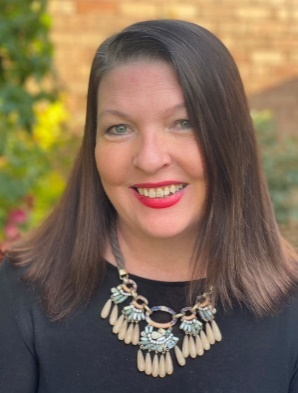 Jessica Brown is the Founder of The Warrior Woman Foundation, winner of the 2022 Snow Entrepreneurs Fellowship and former NSW Woman of the Year Winner. As a former high school teacher working in Southwestern Sydney for over a decade, Jessica’s passion has always been assisting the students at risk of falling through the cracks of the education and welfare systems.
The Warrior Woman Foundation is Jessica’s second social empire after founding the Life-Changing Experiences Foundation in 2003 and its multi-award winning SISTER2sister program, which she led as CEO for 17 years. The Warrior Woman Foundation is a national holistic support model assisting under-represented, vulnerable young Australian women to become resilient, independent, and capable of taking their place in the world.
The Viewfinder: What’s Your Take?
How do you feel about this article?